

The Power of Youth in Co-Creating Education: Education Cannot Wait International Day of Education Statement
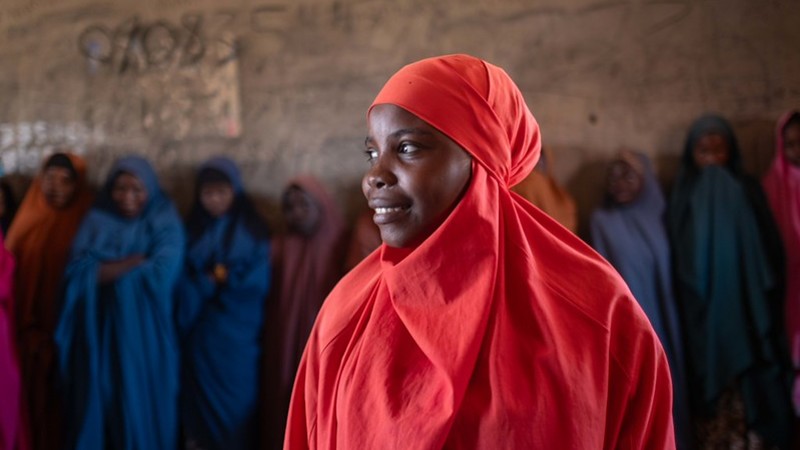
Today’s International Day of Education underscores the power of youth in co-creating education – a reminder that young people are not only learners, but essential partners in shaping the future of education, especially in crisis settings.
Across the globe, an estimated 234 million children and adolescents living in emergencies urgently need access to quality education. This number continues to rise as conflicts escalate, climate-induced disasters intensify and forced displacement reaches record levels. Each day without decisive action deepens the loss of potential, increases the risk of violence, and entrenches cycles of poverty and inequality.
As the global fund for education in crisis settings, Education Cannot Wait (ECW) firmly believes that youth leadership is central to addressing these challenges. ECW’s governance includes a dedicated youth and student-led constituency, ensuring that young people – including those from crisis-affected contexts – are active participants in decision-making fora, contributing to shaping policies, programme design and solutions. From grassroots initiatives in refugee settlements to participation in ECW’s High-Level Steering Group and Executive Committee, youth contribute innovative ideas and critical insights, helping build resilient, inclusive and relevant education systems that respond to the real needs of their peers and communities.
Crises threaten children’s safety, well-being and futures and the scale of exclusion from education is stark. In Afghanistan, the situation for girls is alarming: for the fourth consecutive year, adolescent girls have been entirely denied schooling beyond the primary level, cutting off millions from their right to learn. In Nord Kivu in Eastern Democratic Republic of the Congo, only 59% of school‑aged children are attending school – with rates dropping threefold in areas near Goma. In Somalia and Sudan, fewer than four in ten school‑aged children are able to access education. These hotspots illustrate how rapidly education systems can fracture under pressure, and why urgent, sustained and context‑specific investments are essential.
“We often debate the cost of investing in education but rarely calculate the cost of inaction. When children in crises are denied learning, the price is paid for decades, in lost human capital, deepened instability and shattered futures. Education is not an expense; it is an urgent, strategic investment we cannot afford to delay. ECW calls on public and private sector donors to help ECW reach its 2026 Replenishment goal of US$600 million to reach 10 million crisis-affected girls and boys by 2030,” says Graham Lang, ECW Director, a.i.
Funding from ECW has already reached over 14 million crisis-affected children and adolescents in the world’s toughest contexts, enabling implementing partners to provide them with holistic, safe and inclusive education – including early childhood education, accelerated learning, mental health and psychosocial support, school feeding, menstrual hygiene management, disability inclusion, vocational training, teacher development and more. Local and national actors – including youth-led, women-led, refugee-led and disability-led organizations – are central to ECW’s work, ensuring programmes are contextually relevant, inclusive, sustainable and co-created with the power of youth.
Note to Editors
Access the REACH education in emergency contexts dashboard
About Education Cannot Wait (ECW)
Education Cannot Wait (ECW) is the global fund for education in emergency settings in the United Nations. We support quality education outcomes for refugee, internally displaced and other crisis-affected girls and boys, so no one is left behind. ECW works through the multilateral system to both increase the speed of responses in crises and connect immediate relief and longer-term interventions through multi-year programming. ECW works in close partnership with governments, public and private donors, UN agencies, civil society organizations, and other humanitarian and development aid actors to increase efficiencies and end siloed responses. ECW urgently appeals to public and private sector donors for expanded support to reach even more vulnerable children and youth.
More featured content