


ECW in Afghanistan
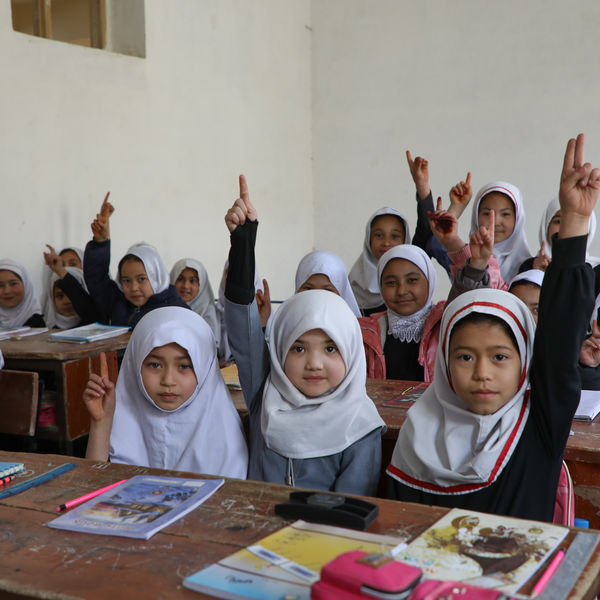
Decades of conflict, poverty and repeated natural disasters – compounded by the suspension of most foreign aid – have pushed Afghanistan into a severe humanitarian crisis. Children and adolescents are among the most affected, facing heightened protection risks including child labour, child marriage, exploitation and psychosocial distress. Restrictions on girls’ secondary and tertiary education, along with a fragile economy and overstretched services, have reversed years of progress, leaving millions without access to safe, quality learning opportunities. Displacement, natural disasters and the return of families from neighboring countries further strain communities and schools, deepening the vulnerabilities of children across the country.
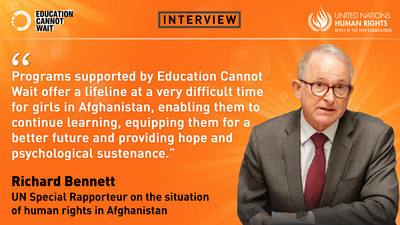
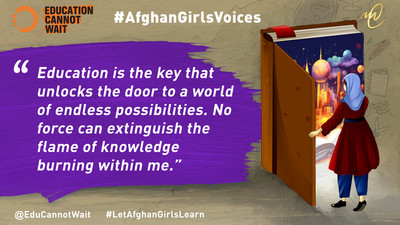
Education Cannot Wait investments have been supporting partners and education programmes in Afghanistan since 2017. Initiatives focus on girls’ education, community-based education to reach children and adolescents in the most crisis-affected areas, the provision of teaching and learning materials, teacher training, mental health and psychosocial support, and more.
National Counterparts
Education Cluster
Programme Info
In 2020, education was further disrupted by the closure of education facilities for several months to combat the spread of COVID-19. The country’s COVID-19 response plan prioritized alternative approaches to classroom-based learning through self-learning, distance learning and small-group learning.
Despite earlier assurances that all schools in Afghanistan would re-open again, the Taliban in March 2022 announced that girls’ secondary schools were to remain closed indefinitely, effectively barring hundreds of thousands of adolescent girls from realising their talents and fulfilling their dreams.
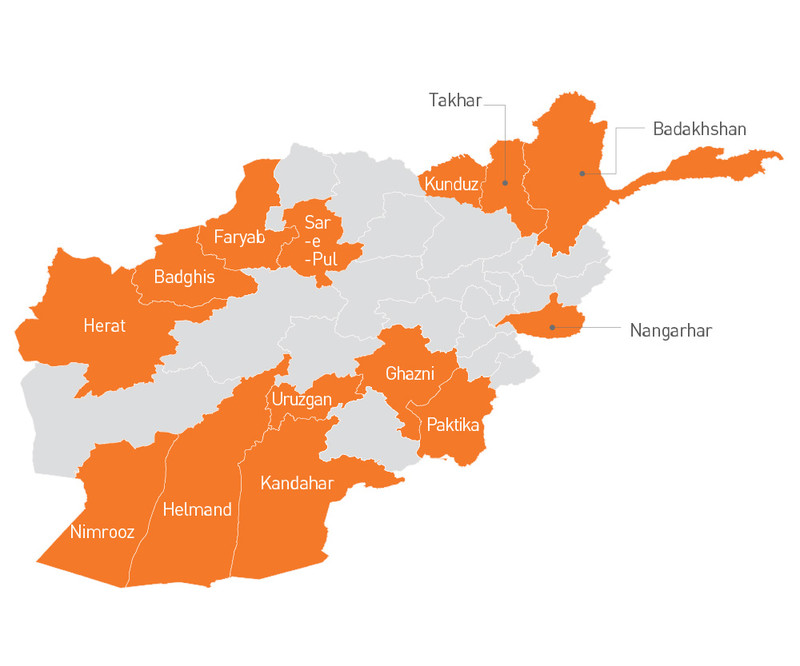
To help address the education crisis, ECW works with a wide range of partners through an extended and expanded Multi-Year Resilience Programme (MYRP) which covers 14 provinces. Specifically, ECW works to expand access to non-formal education, especially for adolescent girls; promote continuity in learning by facilitating the transition to hub schools; support teacher training; improve monitoring systems; and establish child protection and safeguarding measures in communities. ECW’s support also focuses on ensuring access to mental health and psychosocial services and the physical well-being of children, with a particular focus on children with disabilities.
Programme Components
- Sustainably expand girls’ access to education, both by further scaling up community-based education in remote and underserved areas and by rolling out accelerated learning programmes for adolescent girls who are unable to access the formal education system
- Improve holistic learning outcomes through inclusive, gender-responsive teaching and learning approaches
- Build a strengthened and more resilient education sector, including by recruiting more female teachers and by providing them with tailored capacity development support
- Mobilize sufficient resources to further scale up provision of non-formal education
For more information on ECW's work in Afghanistan, please contact country lead Maarten Barends (mbarends@unicef.org).
News & Stories
Related News & Stories